
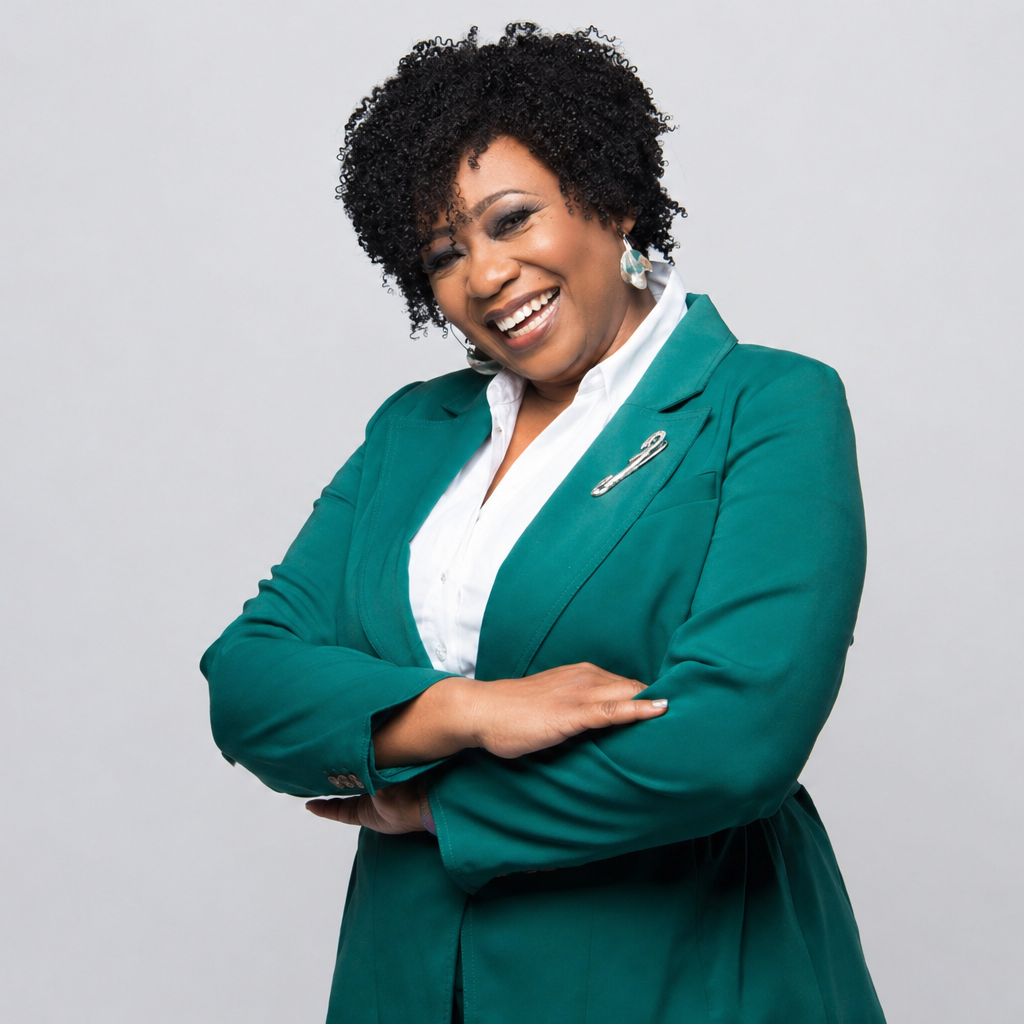
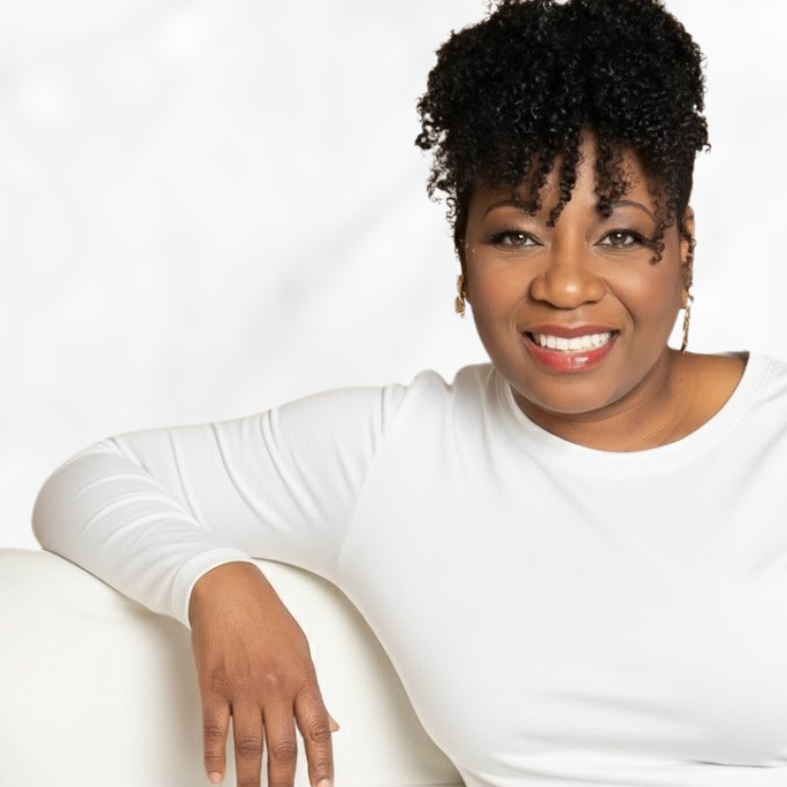
Serriah Le Hart is an Atlanta-based Board-Certified Cosmetology Instructor, Texture Hair Specialist, Licensed Product Formulator, and Author with over 27 years of experience in the professional beauty industry. She is the creator of the Texture Dynamics Framework™ and founder of Curl Definition.
Licensed: Master Cosmetologist & Cosmetology Instructor
Certified: DevaCurl · Rezo Curl · Aveda · Paul Mitchell
Founder: Curl Definition Hair Brand
Author: "Deciphering The Dynamics of Hair Textures, edition 2026"
Creator: Texture Dynamics Framework™ (TDF™)
The educational resources available to professionals were built to control texture, not decode it. And without decoding it, true mastery remained permanently out of reach.
She also saw the same gap on the consumer side. Clients were trying to find themselves inside categories—curl types, porosity labels, product buzzwords—that had never been built around their actual experience. Brands were speaking a shorthand. Consumers were lost in translation. And no one had created a shared language to bridge the two.
So she built one.

The Texture Dynamics Framework™ is a proprietary, trademarked tri-layered diagnostic system built on three pillars: Hair Properties, Texture Indicators™, and Hair Thresholds™. Together, they provide the most complete picture of how textured hair is structured, how it presents, and how it behaves under real-world conditions—across the full Texture Movement Spectrum™, from straight to incongruent. It is not a curl typing system. It is a comprehensive language for every texture, in every state, at every touchpoint.
TDF gives stylists the vocabulary to consult with confidence. It gives educators the framework to teach what schools never covered. It gives brands the diagnostic language to connect meaningfully with consumers who have spent years feeling unseen. And it gives consumers, for the first time, words that actually fit their hair.
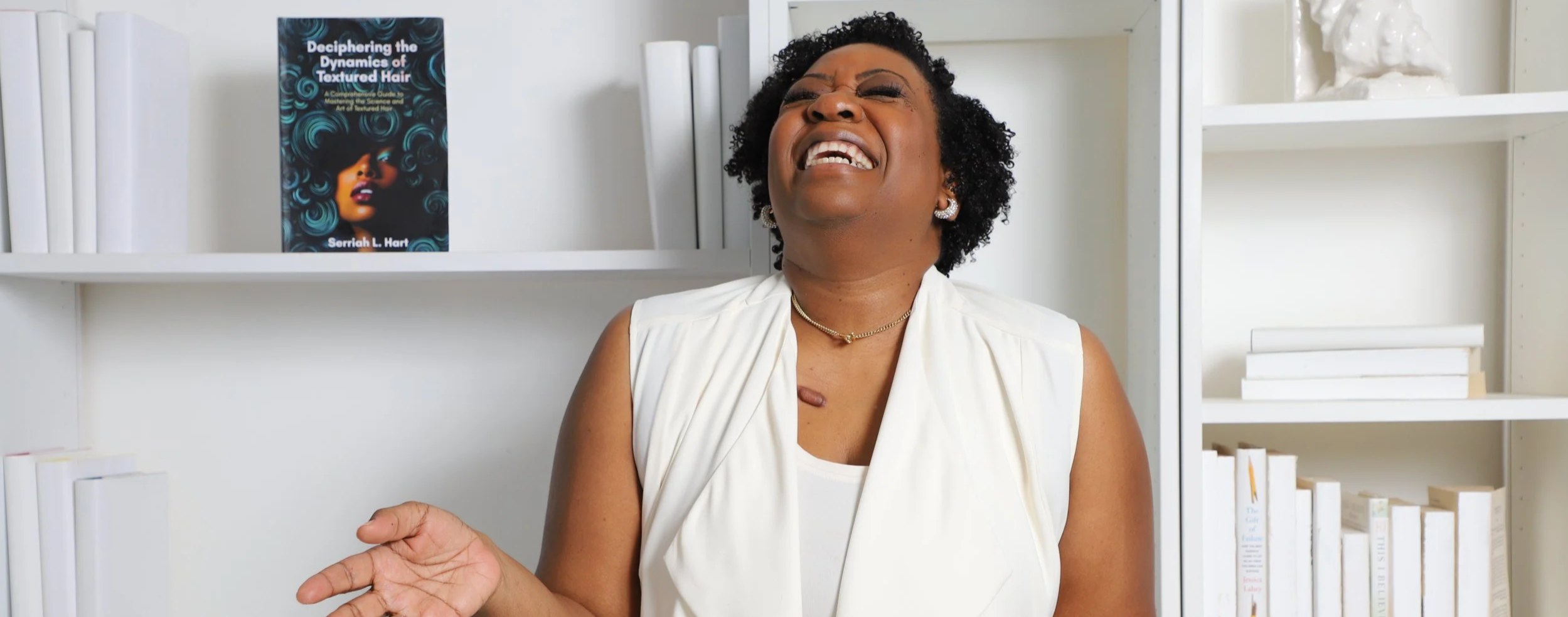
Serriah is also the author of Deciphering the Dynamics of Textured Hair, a comprehensive guide to the science and art of textured hair care, and the creator of the TDF curriculum. The Texture Dynamics Framework™ is available for licensing to brands, cosmetology schools, and beauty education institutions.
In more than two decades working alongside some of the industry's most passionate and skilled professionals, Serriah noticed a pattern that troubled her. Stylists weren't avoiding textured hair because they didn't care. They were avoiding it because they had never been properly equipped to serve it. The words she heard most often, "too difficult," "too unpredictable," "too time-consuming", weren't confessions of indifference. They were the language of an industry that had failed to give its professionals the tools they needed.
That failure, she came to understand, began in the classroom.
As a Board-Certified Cosmetology Instructor, Serriah witnessed how most beauty school curricula center on how to straighten, relax, cover, or chemically alter textured hair, rarely on how to understand it in its natural state.